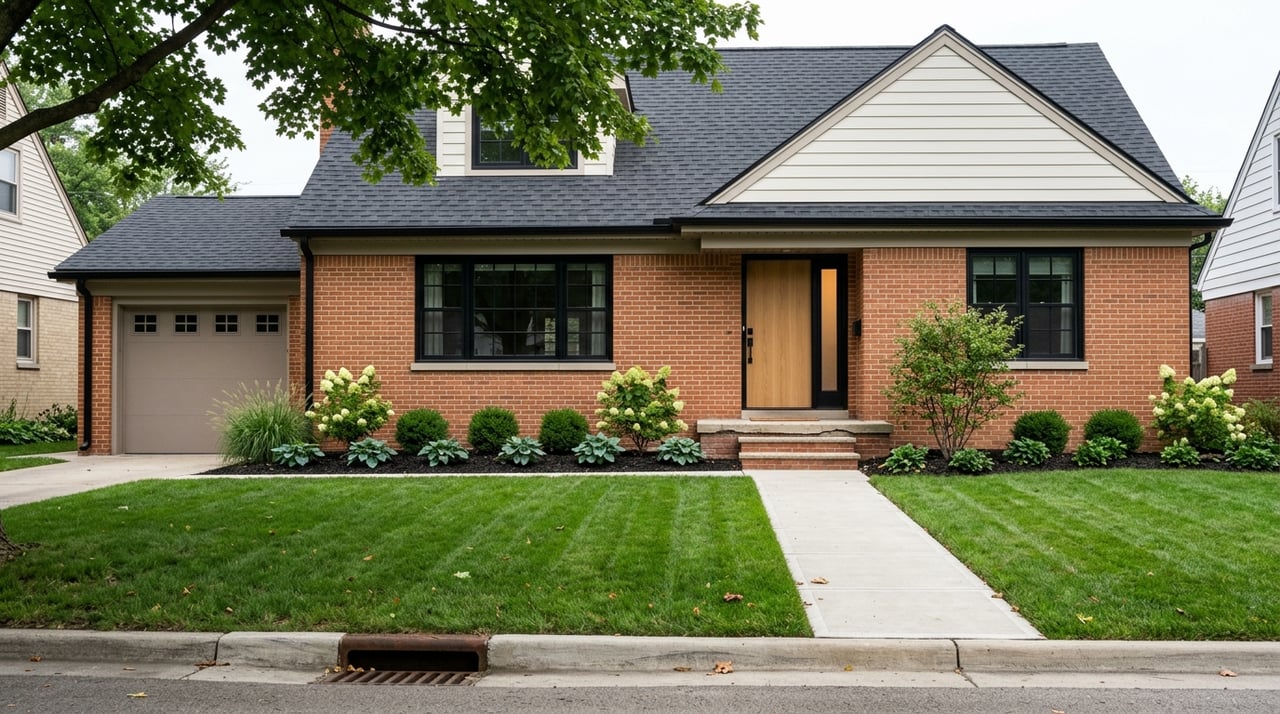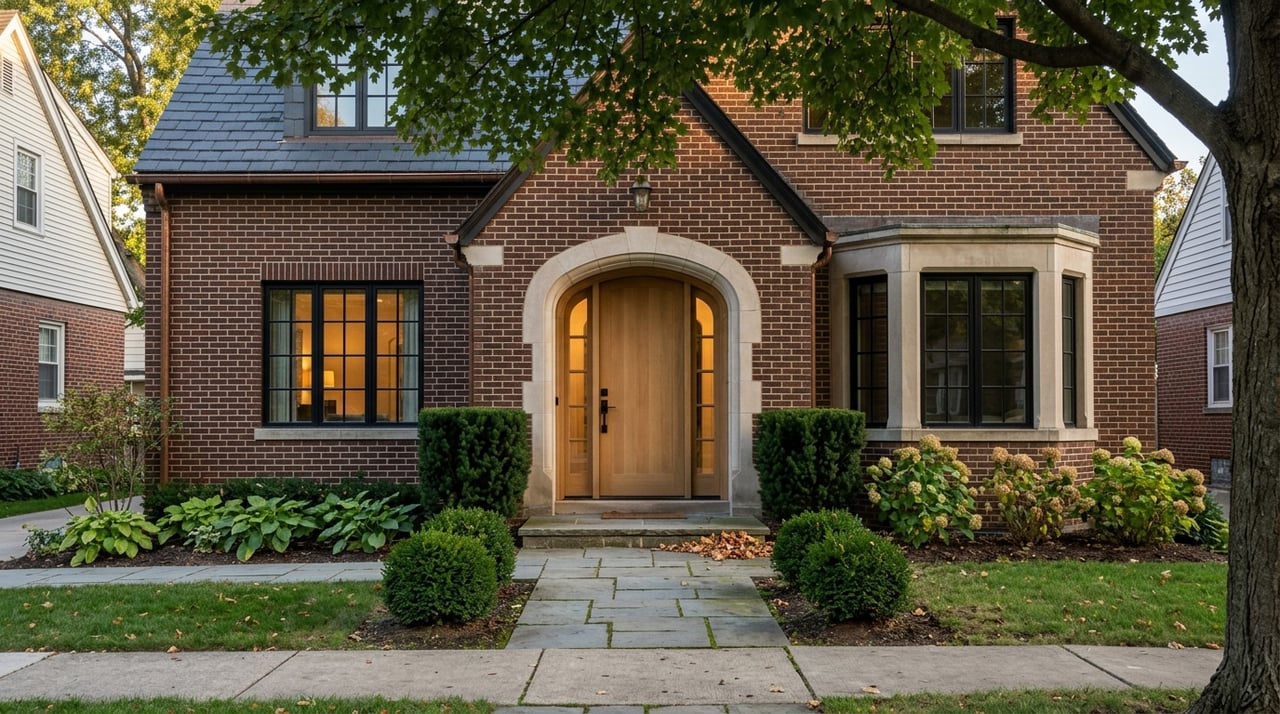
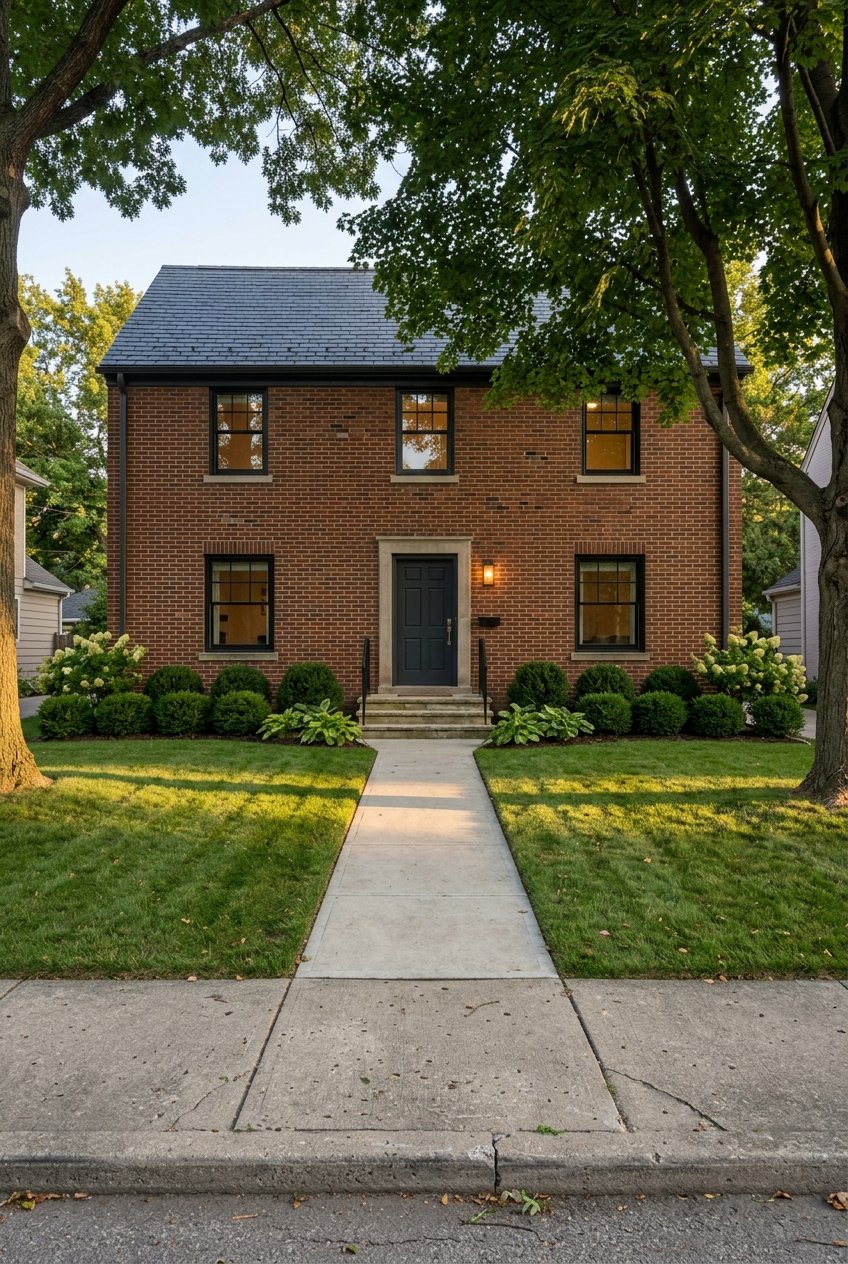
If you are trying to picture daily life in Detroit, the first thing to know is that there is no single Detroit experience. Your routine can look very different depending on whether you want a more urban, transit-friendly setting, a historic district with older homes and architectural character, or a quieter residential area with a lower-density feel. This guide will help you understand how Detroit’s neighborhoods, homes, and everyday amenities fit together so you can get a clearer sense of what living here may actually feel like. Let’s dive in.
Detroit Living at a Glance
Detroit is a large city with 645,705 residents, and the citywide numbers offer a useful starting point. According to the U.S. Census QuickFacts for Detroit, the owner-occupied housing rate is 50.3%, the median gross rent is $1,074, the median value of owner-occupied homes is $83,900, and the mean travel time to work is 24.8 minutes.
Those figures are helpful, but they do not tell the whole story. Detroit is best understood neighborhood by neighborhood, because housing styles, street patterns, and nearby amenities can shift a lot from one area to the next.
Detroit Feels Different by Neighborhood
One of the most practical ways to think about Detroit is as a city of contrasts. Some areas feel more urban and amenity-rich, while others feel more residential and spread out.
The city’s neighborhood and council district resources show just how varied Detroit can be. Areas connected to District 5 and District 6 include places like Boston-Edison, West Village, Indian Village, Islandview, Eastern Market, Midtown, Woodbridge, Corktown, North Corktown, and riverfront-adjacent blocks, while Districts 1 and 2 include neighborhoods such as Rosedale, Grandmont, Palmer Woods, Sherwood Forest, and Bagley. You can explore that broader framework through the City of Detroit neighborhood and district information.
Urban Living in Downtown and Midtown
If you want a more car-light lifestyle, Downtown and Midtown are often the easiest places to start. These areas offer some of Detroit’s strongest transit access and some of its best-known cultural and entertainment amenities.
The Woodward corridor includes the QLINE streetcar, which runs 3.3 miles with 12 stops through Downtown, Midtown, and New Center. Service is currently free, and trains generally arrive every 15 minutes. In Downtown, the Detroit People Mover adds another easy option for short trips, with trains arriving about every 5 to 7 minutes.
This part of the city also gives you close access to major destinations. Midtown includes the Detroit Institute of Arts, home to more than 65,000 works, and the nearby cultural corridor also includes MOCAD, Wayne State, and the Detroit Symphony Orchestra area, making it one of the city’s most active everyday hubs for arts and public life.
Historic Districts With Distinct Character
If you are drawn to architecture and older housing stock, several Detroit neighborhoods stand out for their established identity and long history. These areas often appeal to buyers who want character, mature streetscapes, and homes with details you may not find in newer construction.
Corktown is described by the city as Detroit’s oldest neighborhood. West Village is noted as a historic district with multi-story apartment buildings along with single-family and multiple-family homes, while Indian Village is described as a stable east-side neighborhood with large lots and high occupancy. Boston-Edison is known for its broad tree-lined boulevards and stately early-20th-century homes, with about 900 homes across a 36-block area.
For many buyers, these neighborhoods can offer a strong sense of place. They can also require a thoughtful approach, especially if you are comparing renovation needs, lot size, building age, and the type of upkeep that can come with older homes.
Detroit Homes Are Often Older Homes
One of the most important facts about Detroit housing is that older homes are the norm. According to the city’s Detroit Housing Data Report, 96% of single-family detached homes and 90% of single-family attached homes were built before 1980.
That matters because age often shapes both the feel of a home and the level of maintenance it may need. You may find original architectural details, solid masonry construction, and established neighborhood fabric, but you also need to be prepared for issues that can come with older properties, including lead exposure concerns or structural disrepair in some cases.
This is one reason local guidance matters so much in Detroit. If you are buying here, it helps to look beyond listing photos and think carefully about condition, renovation history, and what day-to-day ownership may involve.
The Housing Mix Is Broad
Detroit is not just a city of detached houses. The same housing report shows a mix that can include rehabbed single-family homes, duplexes, historic apartment buildings, larger multifamily developments, and newer infill housing.
That variety gives buyers and renters more than one path into the market. Depending on the neighborhood, you may be choosing between a classic brick home, a condo or apartment near the urban core, a duplex with income potential, or a townhome-style option in a more mixed-use setting.
For relocators especially, this is an important part of the search. The right fit is often less about the city as a whole and more about matching your routine, budget, and maintenance comfort level to the neighborhood and housing type that support it.
Getting Around Day to Day
Detroit’s average commute time of 24.8 minutes suggests that mobility is part of everyday planning for many residents. Your experience getting around will depend a lot on where you live and where you need to go most often.
DDOT provides fixed-route bus service across the city, and the system reports about 85,000 average daily riders. DDOT says its buses are ADA-accessible. SMART serves Macomb, Oakland, and Wayne counties with fixed-route, small-bus, and ADA services that help connect riders to work, medical appointments, shopping, and other daily needs.
In practical terms, the city core tends to offer the strongest public transit options. Outer neighborhoods may feel more residential and lower-density, which can change how often you drive and how you think about commuting, errands, and weekend plans.
Riverfront and Parks Shape Daily Life
Detroit’s outdoor amenities are a major part of its appeal, and the riverfront is one of the best examples. The Detroit Riverwalk stretches just over four miles today, with a long-term vision of 5.5 miles, and it is open daily from 6 a.m. to 10 p.m. It is designed for walking, biking, skating, and other nonmotorized use.
For many residents, that means the riverfront is not just a destination. It can be part of a real routine, whether that is a morning walk, an evening bike ride, or an easy weekend outing.
Belle Isle Park expands those options in a big way. The state describes Belle Isle as a 985-acre island park with views of Detroit and Canada, plus the James Scott Memorial Fountain, the Anna Scripps Whitcomb Conservatory, the Belle Isle Aquarium, a swim beach, and opportunities for biking, fishing, and paddling.
Food and Culture Are Part of the Routine
Detroit also offers everyday access to markets, museums, and cultural institutions that help shape neighborhood life. If you enjoy having activity built into your week, a few places stand out.
Eastern Market is one of the city’s clearest anchors for regular routines. Its Saturday market runs year-round from 6 a.m. to 4 p.m., with seasonal Sunday and Tuesday markets in warmer months. That makes it a practical amenity as much as a weekend attraction.
Midtown remains another key destination because it layers arts, public institutions, and neighborhood activity into one area. For buyers thinking about day-to-day lifestyle, that can be just as important as square footage or bedroom count.
A Realistic View of Tradeoffs
A balanced picture of Detroit should include both the upside and the practical considerations. The city offers historic architecture, varied housing choices, and standout public amenities, but older housing can mean more maintenance and more careful due diligence.
Some areas also face location-specific pressures. The city’s housing report notes that Southwest Detroit, for example, has seen truck-traffic restrictions put in place to address environmental, health, and quality-of-life concerns tied to freight traffic. That kind of detail matters because lifestyle fit is not just about the home itself. It is also about the broader setting around it.
What Detroit Everyday Living Often Looks Like
For many buyers, Detroit can be grouped into a few broad day-to-day experiences. Downtown and Midtown tend to offer the most urban and transit-connected lifestyle. Historic districts like Corktown, West Village, Indian Village, and Boston-Edison often appeal to people who want older homes and strong neighborhood character. Outer neighborhoods may offer a quieter, more residential feel.
The key is not choosing the "best" area in the abstract. It is choosing the area that fits how you want to live, how much home upkeep you are comfortable with, and which amenities you want close by.
If you are thinking about a move in Detroit or anywhere in Metro Detroit, working with someone who understands how block-by-block differences affect value and lifestyle can make the process much clearer. When you are ready to talk through neighborhoods, housing types, or what may fit your goals best, connect with Megan Ford.
FAQs
What is everyday life like in Detroit neighborhoods?
- Everyday life in Detroit depends heavily on the neighborhood, with some areas offering a more urban, transit-friendly experience and others offering a quieter residential feel with older homes and lower-density streets.
What types of homes are common in Detroit?
- Detroit has a broad housing mix that includes single-family homes, duplexes, townhomes, historic apartment buildings, multifamily properties, and newer infill housing, with most single-family homes built before 1980.
What should buyers know about older Detroit homes?
- Buyers should know that older homes can offer strong character and established neighborhood appeal, but they may also require closer review for maintenance, lead exposure concerns, and structural condition.
How do people get around in Detroit?
- Many residents drive, but Detroit also has DDOT bus service citywide, SMART regional transit, the free QLINE along Woodward, and the Detroit People Mover in Downtown.
What are some popular Detroit amenities for daily living?
- Popular everyday amenities include the Detroit Riverwalk, Belle Isle Park, Eastern Market, and Midtown cultural destinations such as the Detroit Institute of Arts.
Which Detroit areas feel most urban?
- Downtown and Midtown generally offer the most urban feel, with stronger transit access, cultural institutions, and a higher concentration of amenities nearby.