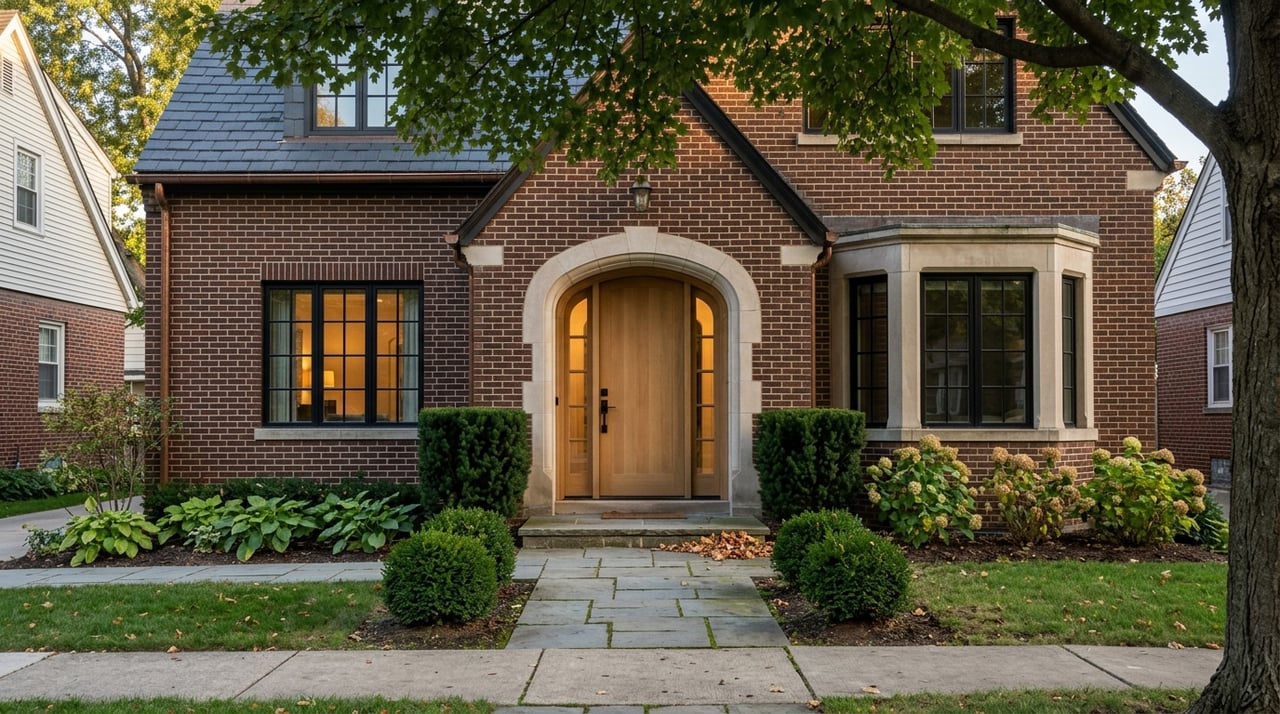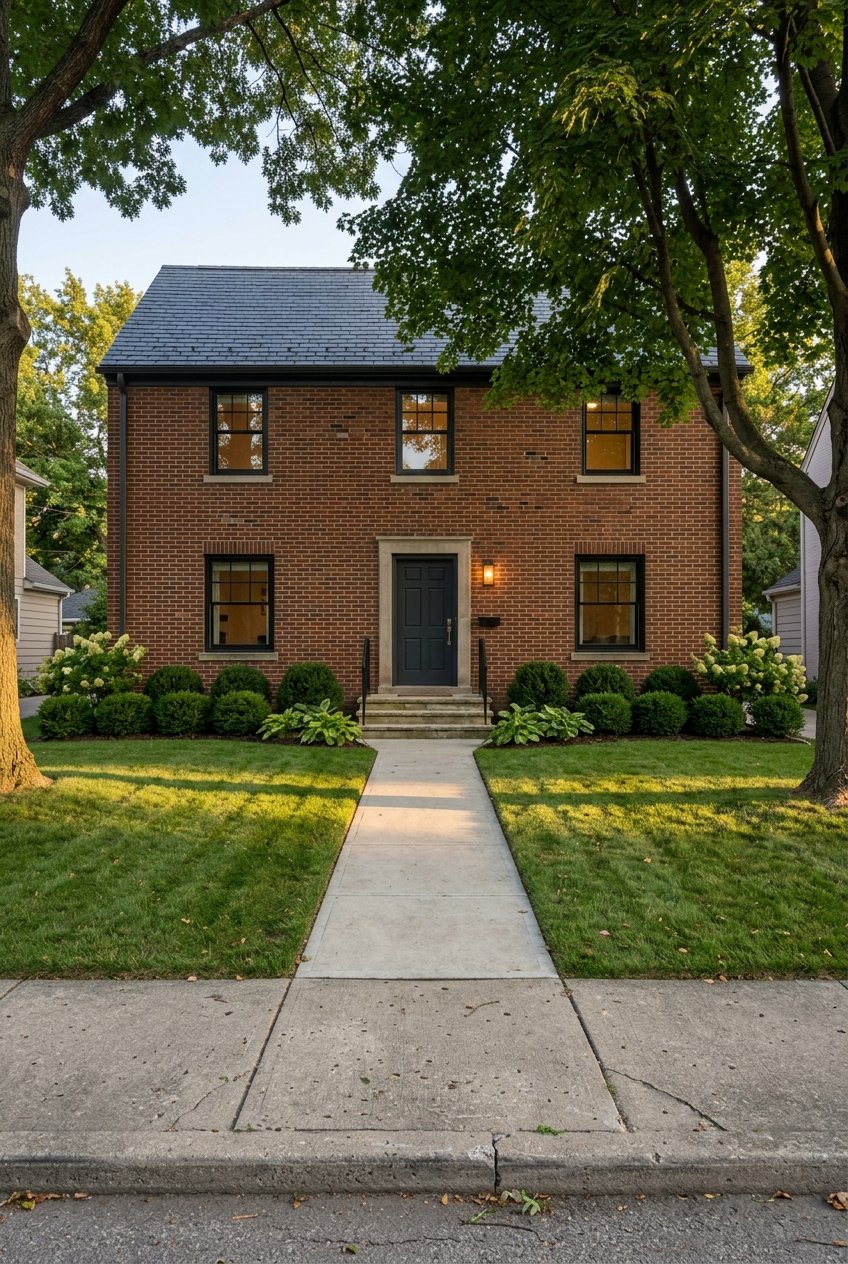
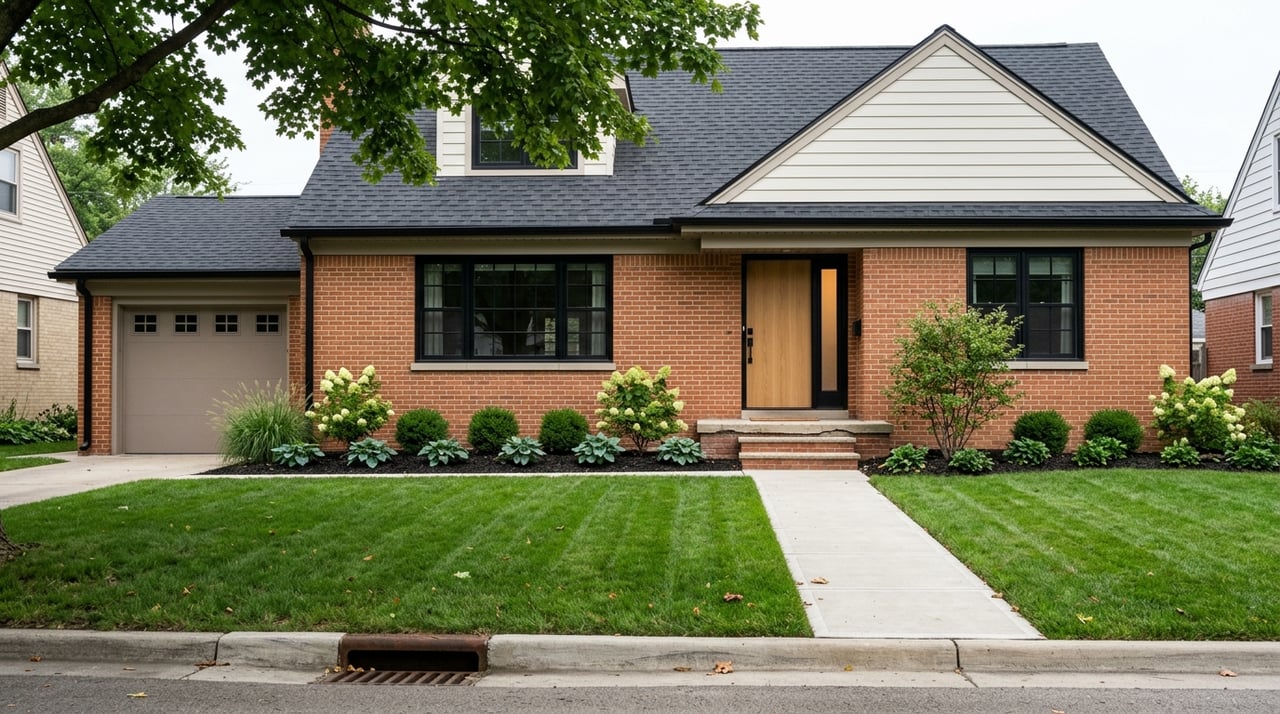
If you are house hunting in Berkley, the style of a home can tell you a lot, but not everything. A bungalow, ranch, or newer rebuild may look very different at first glance, yet the real story is often about age, layout, upkeep, and how well the home fits your day-to-day life. When you know what to watch for, you can compare Berkley homes with more confidence and less guesswork. Let’s dive in.
Why housing style matters in Berkley
Berkley’s housing stock is shaped by its history as a first-tier suburb, with many neighborhoods built between 1940 and 1970 and most homes built before 1960. The city’s planning documents make it clear that local housing style is closely tied to that era, which means buyers often need to read beyond curb appeal.
That matters because Berkley is a place where older homes make up much of the market. Current Census data cited in the city’s planning materials show an 85.7% owner-occupied housing rate and a median owner-occupied value of $289,200. In practical terms, you are often evaluating established homes with character, not brand-new homes with standard layouts.
Berkley bungalows at a glance
Postwar bungalows are one of Berkley’s most common housing types. The city describes them as modest one- and two-story wood-frame homes built after World War II, often with compact floor plans and a first-floor bedroom.
Because many were built in large groups, you will often see similar floor plans and repeating exterior details from one block to the next. That can make it easier to compare homes, but it also means small differences in updates and condition can have a big impact on how a home lives.
What buyers often like about bungalows
Bungalows tend to appeal to buyers who want charm and flexibility. In Berkley, they often offer a manageable footprint and clear renovation potential.
The city’s master plan specifically points to common upgrades such as opening up the living, dining, and kitchen areas, adding a larger primary suite, creating second-floor living space, or expanding the porch for more usable room. If you are comfortable thinking long term, a bungalow can offer a strong mix of current function and future possibilities.
What to watch for in older bungalows
The biggest issue is usually not the bungalow label itself. It is the age of the house.
Berkley’s planning documents note that older homes can come with maintenance concerns related to age, size, and lot constraints. Buyers should also keep in mind that pre-1978 homes are more likely to contain lead-based paint, which is especially relevant if you are planning repairs or remodeling.
On top of that, Berkley’s somewhat poorly drained soils and large amount of impervious surface can contribute to spring flooding. In an older bungalow, that makes grading, gutters, and basement moisture worth a very close look.
What ranch homes offer
Ranch homes remain a visible part of Berkley’s housing mix. As a style, a ranch is generally a one-level home with a low roof and a rectangular, relatively open plan.
For many buyers, the biggest advantage is simple: stair-free living. If you want easier day-to-day movement through the home, a ranch can be a very practical option.
The upside of single-level living
A ranch can feel straightforward and easy to use. Daily circulation is often simpler, and the layout may feel more accessible for a wide range of household needs.
That said, the style alone does not tell you much about the home’s condition. In Berkley, an older ranch can still come with the same age-related issues you might find in a bungalow, including upkeep needs, limited lot size, and possible lead-paint concerns in pre-1978 homes.
How newer infill homes fit in
Over the past decade, Berkley has seen increasing numbers of newer homes built on existing lots, sometimes replacing older houses. The city views these homes as part of ongoing reinvestment, but it also notes that their size, bulk, and design can affect neighborhood character.
That is why newer construction in Berkley is best understood as part of an evolving local housing landscape, not a completely separate market. You are still buying into an established neighborhood context.
Why newer homes often look bigger
Newer homes in Berkley often appear taller and larger than the original houses around them. According to the city, that is partly because modern construction tends to include taller basements for livable space and flood mitigation, higher first-floor ceilings, thicker floor joists, and larger footprints.
The city also notes that a two-story home is more cost-effective to build than the classic Berkley bungalow. That helps explain why many newer homes feel broader, taller, and more substantial on the lot.
What compatibility means for buyers
When you tour a newer Berkley home, it helps to think beyond finishes and square footage. The city’s planning guidance emphasizes fit with neighborhood character, and the Planning Commission requires site plan review for physical changes to a building footprint or major exterior facade changes.
In real terms, buyers should notice setbacks, roof pitch, garage placement, and overall massing. Those details shape whether a house feels comfortable on its lot and in the broader streetscape.
How to compare Berkley housing styles
In Berkley, style is really a shortcut for tradeoffs. Bungalows often offer charm, smaller footprints, and obvious room for creative expansion. Ranches often offer easier everyday living. Newer infill homes often offer more space and more current proportions.
But style is only one part of the decision. The city’s planning materials note that bungalows, ranches, and larger two-story homes can trade at very different price points, which is a reminder that condition, size, and upgrades matter just as much as the label on the listing.
Look for what the photos do not show
One of the smartest ways to read a Berkley listing is to focus on what may be missing from the marketing. Photos can highlight finishes, but they do not always show how a home really functions.
Pay attention to details like:
- Closet space
- Whether the kitchen has already been opened up
- How usable the basement is
- Whether an upper level is finished or just expandable
- Whether a newer home sits comfortably on the lot
These questions line up with Berkley’s broader planning focus on rehabilitation, compatible infill, and preserving neighborhood character while modernizing older housing.
Choosing the right style for your goals
The best Berkley home style for you depends on how you live and what kind of projects you are willing to take on. If you love character and see upside in smart renovation, a bungalow may be a strong fit. If you want simpler one-level living, a ranch may check more boxes. If you want more square footage and a more current layout, a newer infill home may deserve a closer look.
The key is to compare homes through a local lens. In Berkley, age, renovation potential, lot fit, and everyday function often matter more than the style name alone.
If you want help sorting through Berkley housing styles and figuring out which homes truly fit your goals, Megan Ford offers clear, practical guidance backed by local Metro Detroit insight.
FAQs
What is the most common home style in Berkley, MI?
- Berkley’s planning documents identify postwar bungalows as one of the city’s most prevalent housing types.
What should Berkley buyers know about older bungalows?
- Many Berkley bungalows offer charm and renovation flexibility, but buyers should also pay attention to smaller rooms, limited closet space, maintenance needs, possible lead-based paint in pre-1978 homes, and basement moisture concerns.
Are ranch homes in Berkley a good option for stair-free living?
- Yes. Ranch homes are known for single-level living, which can make everyday circulation easier, though buyers should still evaluate the age and condition of the home carefully.
Why do newer Berkley homes often look bigger than older ones?
- Berkley’s planning materials say newer homes often have taller basements, higher first-floor ceilings, thicker floor systems, and larger footprints, which makes them appear taller and broader on the lot.
What should buyers compare when touring homes in Berkley?
- Buyers should compare layout, condition, closet space, basement usability, expansion potential, and how well the home fits the lot and surrounding block, not just the architectural style.