If you want a neighborhood that feels connected to the water without losing day-to-day convenience, Grosse Pointe Park stands out. You may be looking for lake views, walkable business districts, or a home with real architectural character, and The Park brings those pieces together in a way that feels both classic and practical. From its shoreline parks to its historic housing stock, this is a community where lifestyle and location are closely linked. Let’s dive in.
Why Grosse Pointe Park Feels Different
Grosse Pointe Park sits on Lake St. Clair at the edge of Detroit, about 6 miles east of downtown Detroit. Wayne County identifies it as the westernmost of the Grosse Pointe communities, which helps explain why many residents enjoy both a neighborhood feel and an accessible commute.
The city covers about 2.17 square miles and has an estimated population of roughly 11,095 residents. Census QuickFacts also reports a mean travel time to work of 24.8 minutes, which gives you a helpful snapshot of daily life if you want a lake-oriented setting without feeling far removed from the city.
What many buyers notice first is the sense of place. Visit The Park describes tree-lined neighborhoods, historic architecture, and vibrant commercial districts, all of which shape the rhythm of everyday living here.
Lakefront Living Shapes Daily Life
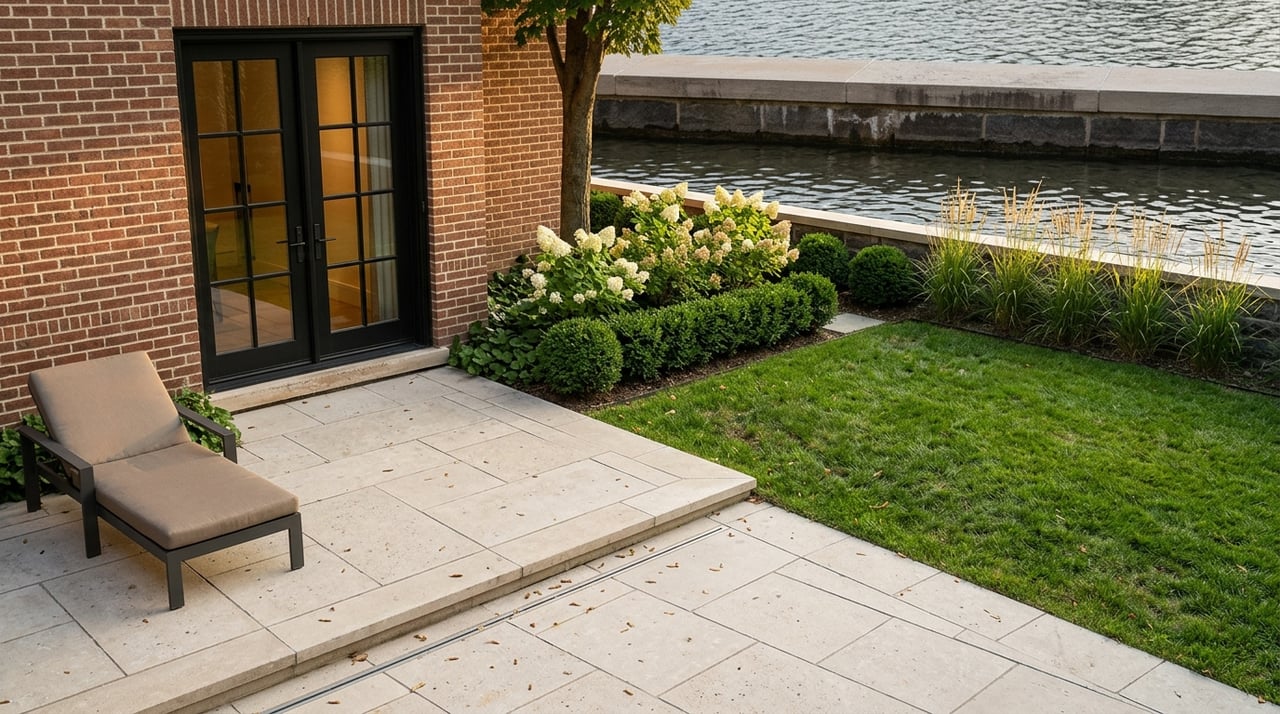
In Grosse Pointe Park, the lake is not just a backdrop. It is part of how many residents spend their mornings, evenings, and weekends.
The city’s lakefront identity centers on two major public spaces: Windmill Pointe Park and Patterson Park. According to the Grosse Pointe Park Foundation, these parks offer swimming, walking paths, tennis courts, picnic areas, fishing, fitness amenities, family event space, and lakefront sunset views.
That kind of access can make a real difference in how a neighborhood feels. Instead of needing to plan a special trip for waterfront recreation, you have local options built into the community.
Windmill Pointe Park Amenities
Windmill Pointe Park is the more activity-focused of the two lakefront parks. The city lists an Olympic-size pool, wading pool, marina, fishing pier, tennis courts, volleyball, playground, grills, the Tompkins Community Center, and the Lavins Activity Center.
The Lavins building adds even more to the mix, including two theaters, the Meade Fitness Center, and a gymnasium. If you want a community with built-in recreation across different seasons and age groups, that range of amenities is a meaningful draw.
For boaters, the marina is another standout feature. The city notes that the marina offers 270 boat wells with Lake St. Clair access, operating from April 15 through November 15, and fishing is allowed from the main pier.
Patterson Park Through the Seasons
Patterson Park has a different feel, with more of a shoreline-boardwalk experience. The city says the George H. Helm Boardwalk is landscaped, lighted, and accessible, which gives the park a distinctive lakefront presence.
Amenities here include a splash pad, pickleball, bocce, a putting green, trails, an exercise course, a pavilion, and lake access for non-motorized watercraft. If you picture casual walks by the water or easy outdoor time close to home, Patterson Park is a big part of that image.
The appeal continues into winter. The city highlights ice skating, sledding, and cross-country skiing, with Hutton Ice Rink generally opening around Thanksgiving when weather allows.
Who Can Use the Parks
Access to these park amenities is set up for the local community. The city states that park passes are issued to residents, tenants, and business owners of commercial properties.
That is important to know if you are considering a move and trying to understand what lakefront living here really includes. It is also worth noting that Windmill Pointe Park rules say swimming in the lake is not permitted.
Walkable Streets Add Everyday Convenience
Life near the lake in Grosse Pointe Park is not only about parks and water access. It is also about having walkable commercial corridors where you can pick up coffee, meet friends for dinner, or run everyday errands without needing to go far.
Visit The Park points to Kercheval, Charlevoix, Jefferson, and Mack as key streets for locally owned dining, retail, and services. That local-business mix helps give the city an active, lived-in feel rather than a purely residential one.
Current dining listings include Antonio’s In the Park, Atwater in the Park, The Bricks Pizzeria, Brine Oyster House, LeRouge Boulangerie, Lucky Detroit Coffee, and Red Crown Cantina. Retail listings include Anchor & Olive, Coreander’s Bookshoppe, Pointe Hardware, Park Place Market, Sprout House Natural Foods Market, and Village Wine Shop.
Seasonal Events Build Community
The city calendar adds another layer to daily life, especially in warmer months. Park Farmers Market is scheduled on summer Saturdays at Lakepointe and Kercheval, with calendar postings showing a June through September run in 2025 and continued June Saturday dates in 2026.
After 6 on Kercheval is another recurring seasonal event. The 2026 listing shows music, food, shopping, and community activity during a summer evening event, which reflects how the commercial districts often function as social gathering places as well as shopping areas.
Grosse Pointe Park also has a social district. Visit The Park says participating businesses can sell to-go alcoholic drinks for consumption within designated commons areas along Kercheval and Charlevoix during set evening hours.
Housing Near the Lake Has Real Variety
One of the most compelling parts of Grosse Pointe Park is its housing stock. If you are someone who values older homes, thoughtful details, and a sense of architectural identity, this city offers a lot to explore.
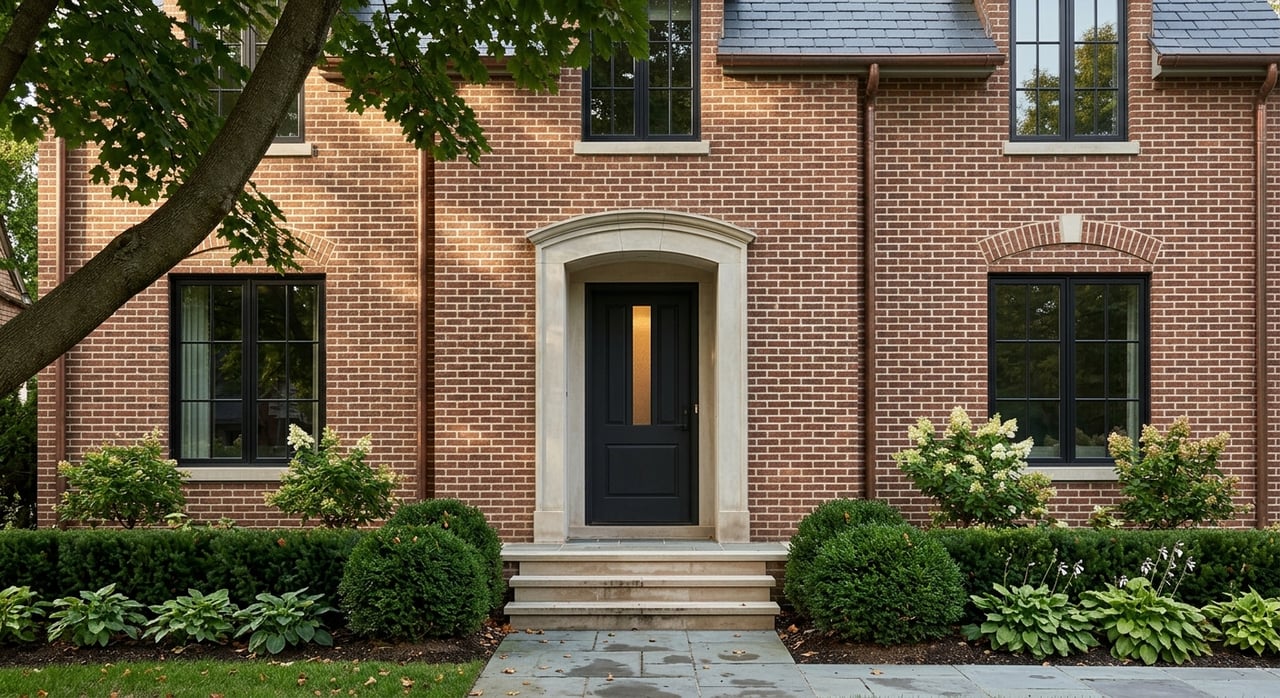
The city’s 2022 master plan says many homes were built between the 1920s and 1940s. Styles listed in the plan include Greek Revival, Craftsman, Tudor, Queen Anne, Dutch Colonial, French Colonial, Classical Georgian, Italian Renaissance, Detroit bungalow, and Prairie.
That range matters because it gives buyers more than one version of lake-area living. You are not looking at a neighborhood defined by a single housing type or a recent wave of uniform development.
What Buyers Often Notice First
The master plan notes that less than 1 percent of housing structures were built in or after 2000, so new construction is limited. For many buyers, that means the value here is tied more to character, location, lot pattern, and architectural style than to brand-new inventory.
The same plan reports about 4,958 housing units in 2020, including 76.7 percent single-family homes, 12.8 percent duplexes, and 10.2 percent multifamily homes. Denser housing tends to be located closer to the business districts, which can appeal if you want easier access to shops and restaurants.
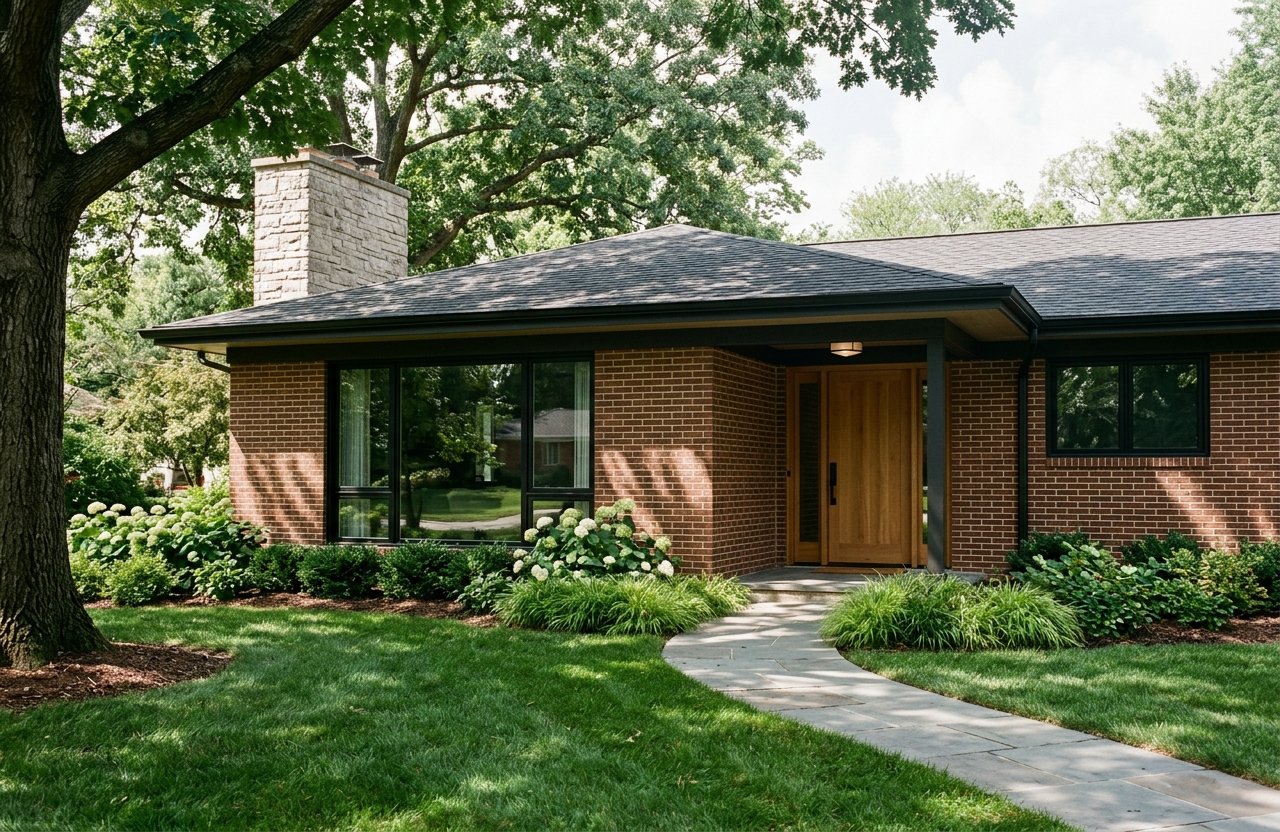
You will also see certain physical patterns repeated across the city. The master plan describes covered front porches, detached garages accessed by alleys, and larger lots with wider setbacks and more mature landscaping as you move closer to the lakeshore.
Lifestyle and Price Context
For buyers trying to match budget with lifestyle, local data helps frame the market. Census QuickFacts shows a 74.4 percent owner-occupied rate, a median owner-occupied home value of $473,100, and a median household income of $124,111.
In practical terms, Grosse Pointe Park can offer compact brick homes and duplexes near commercial corridors, while larger and more architecturally prominent homes are often found closer to the lakefront. That variety is one reason the city appeals to first-time buyers, move-up buyers, and people relocating within Metro Detroit.
What Living Here May Feel Like
If you are trying to picture daily life, think about the combination of water, neighborhood texture, and convenience. You might start your day with a walk near the lake, head to a local coffee shop, and still have an easy route toward Detroit for work or events.
You may also find that Grosse Pointe Park offers a different kind of value than newer suburban areas. Instead of newer construction and wider expansion, the appeal here often comes from established streets, mature landscaping, historic homes, and lake-oriented amenities that shape how you use your time.
That does not mean every block or property feels the same. Part of the process is understanding how proximity to commercial districts, park access, lot size, and housing style may affect your experience from one area to the next.
Why Local Guidance Matters
Because Grosse Pointe Park has older housing stock and a wide range of home styles, two homes at a similar price point can offer very different lifestyles. One may put you close to restaurants and neighborhood retail, while another may offer more lot depth, more architectural detail, or a stronger connection to the waterfront setting.
That is where hyper-local insight becomes especially useful. If you are comparing homes in The Park, it helps to work with someone who understands not only pricing, but also the subtle differences in block-by-block feel, housing style, and day-to-day livability.
Whether you are buying your first home in the area, moving up within Grosse Pointe, or relocating from elsewhere in Metro Detroit, a clear and practical approach can make the search feel much more manageable. If you want help understanding how Grosse Pointe Park fits your goals, Megan Ford can help you navigate the market with honest guidance and local perspective.
FAQs
What is Grosse Pointe Park known for?
- Grosse Pointe Park is known for its Lake St. Clair setting, historic architecture, tree-lined streets, walkable commercial corridors, and resident-focused lakefront parks.
What lakefront parks are in Grosse Pointe Park?
- The city’s two main lakefront parks are Windmill Pointe Park and Patterson Park, which offer amenities like pools, walking paths, fitness spaces, fishing, courts, and seasonal recreation.
Can everyone use Grosse Pointe Park parks?
- The city says park passes are available to residents, tenants, and business owners of commercial properties, so access is designed for the local community.
What types of homes are in Grosse Pointe Park?
- Housing in Grosse Pointe Park includes mostly older single-family homes, along with duplexes and multifamily properties, and architectural styles such as Tudor, Craftsman, French Colonial, bungalow, and Prairie.
Is Grosse Pointe Park close to downtown Detroit?
- Yes. Wayne County describes Grosse Pointe Park as about 6 miles east of downtown Detroit, and Census QuickFacts reports a mean travel time to work of 24.8 minutes.
What shopping and dining areas are in Grosse Pointe Park?
- Key commercial corridors include Kercheval, Charlevoix, Jefferson, and Mack, where you can find locally owned restaurants, coffee shops, retail stores, and everyday services.